Unbound Voices
of Iranian Women Poets
A tribute to resistance, mysticism, exile, and interior freedom.
Iranian women have been writing poetry for centuries. They have written through revolution, exile, silence, and loss.
The tradition of Iranian women's poetry is not a footnote to literary history. It is one of its central threads. Forugh Farrokhzad, born in 1935 in Tehran, broke every formal convention available to her. She wrote about desire, about the body, about the interior life of a woman in a culture that preferred that life remain unspoken. She died at 32 and left behind a body of work that has grown only more powerful in the decades since.
Simin Behbahani, born in 1927, took the classical ghazal, a form that had existed for a thousand years, and made it carry contemporary urgency. Social protest. Personal grief. The specific cost of living in a country under successive pressures to silence its artists. She was nominated for the Nobel Prize multiple times and continued to write and protest until the end of her life. She was called the Lioness of Iran not as a metaphor but as a description.
Tahereh Saffarzadeh, born in 1936, wrote from deep spiritual conviction and political courage. Her poetry honors the resilience of Iranian women across generations, returning again and again to images of planting, of building, of enduring.
This gathering honored all three across three generations of the same unbroken line. The forms change. The courage does not. What MuseVerse Circle brought into the room at Red Dirt Studio on March 29, 2025 was not history. It was a living inheritance, arriving in Farsi first, before the English followed, because that is the order that honors what a poem actually is.
Six poems. Three voices. One unbroken line of courage that begins before the twentieth century and continues to the present day.
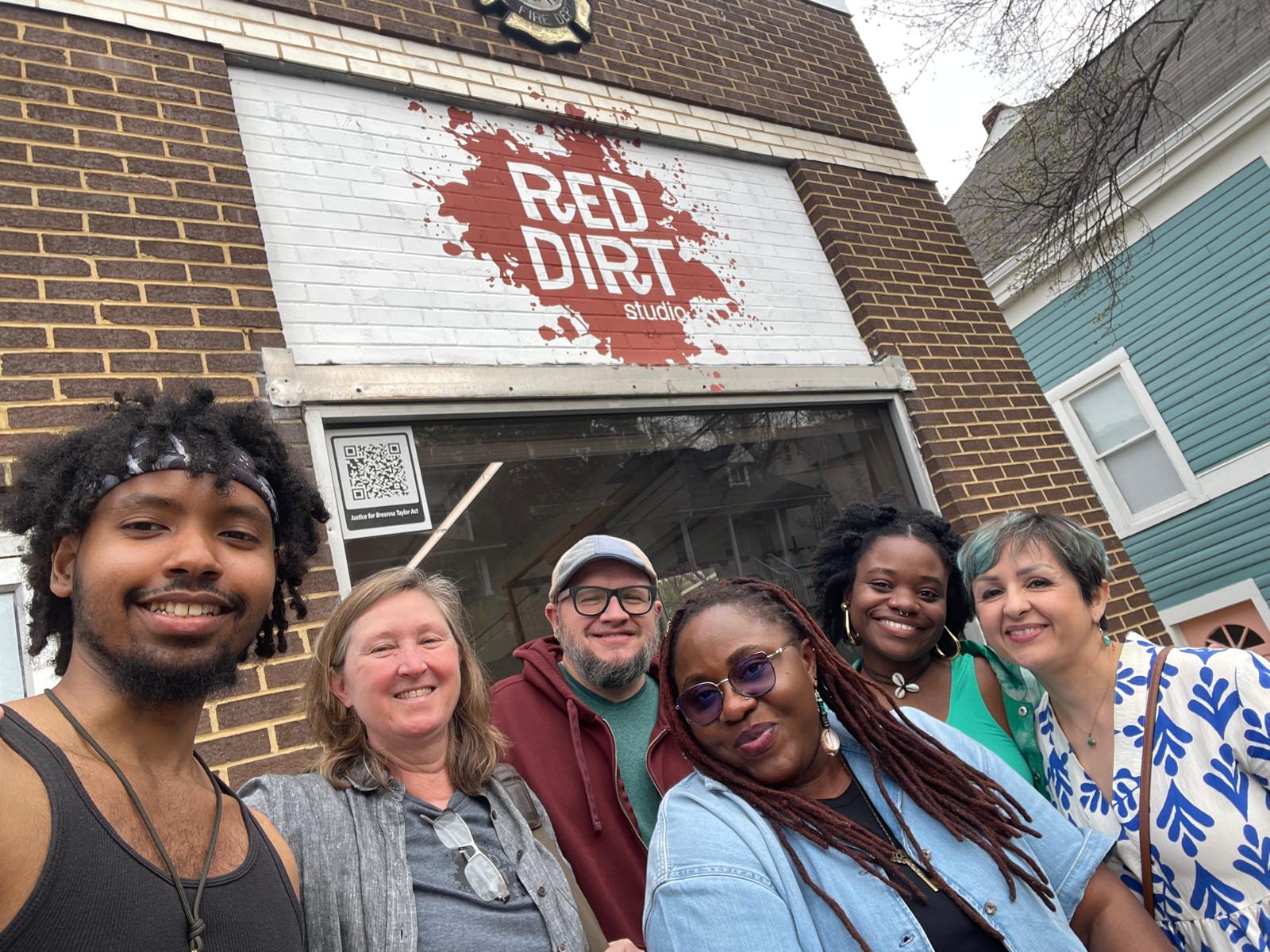
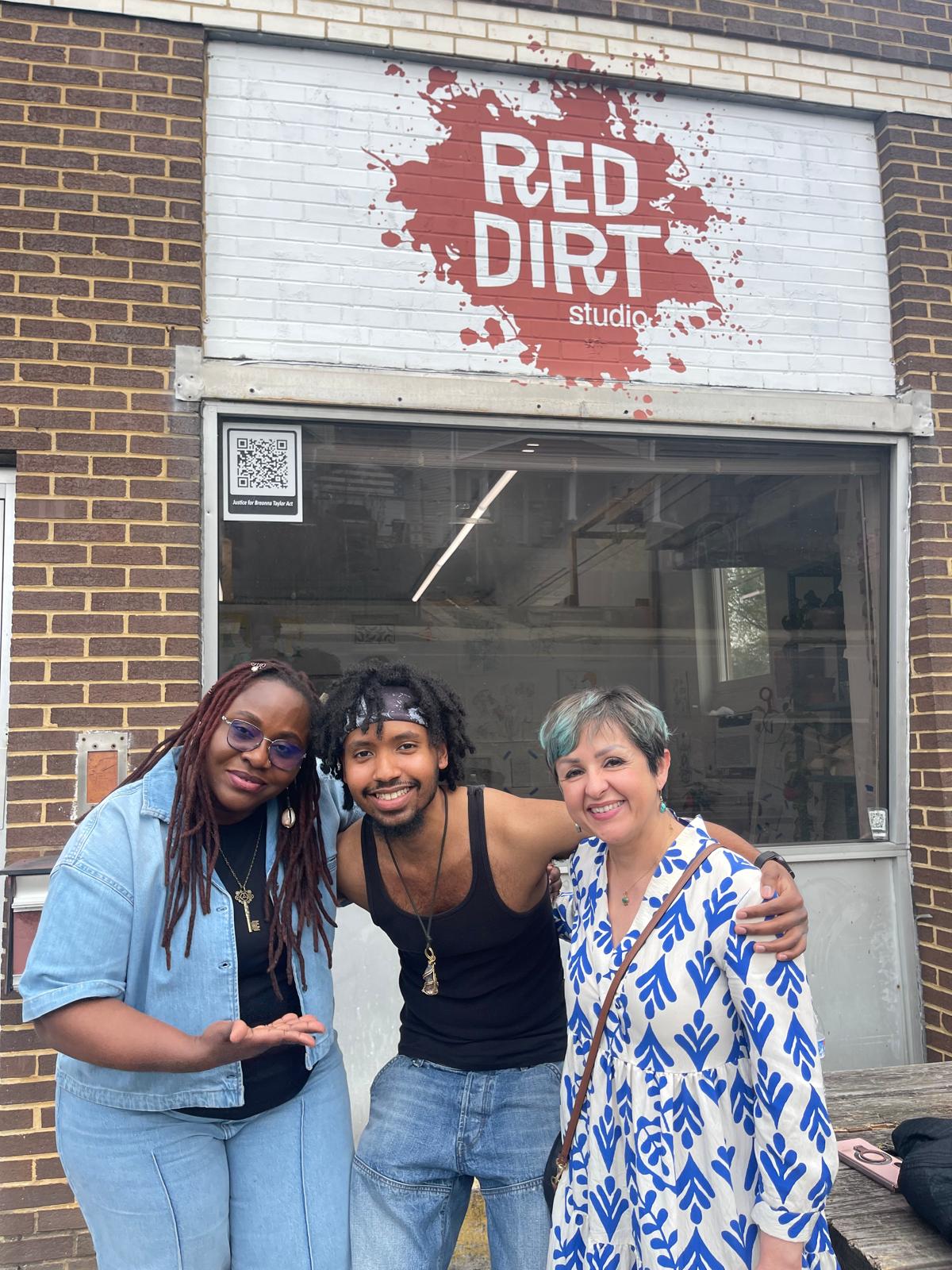
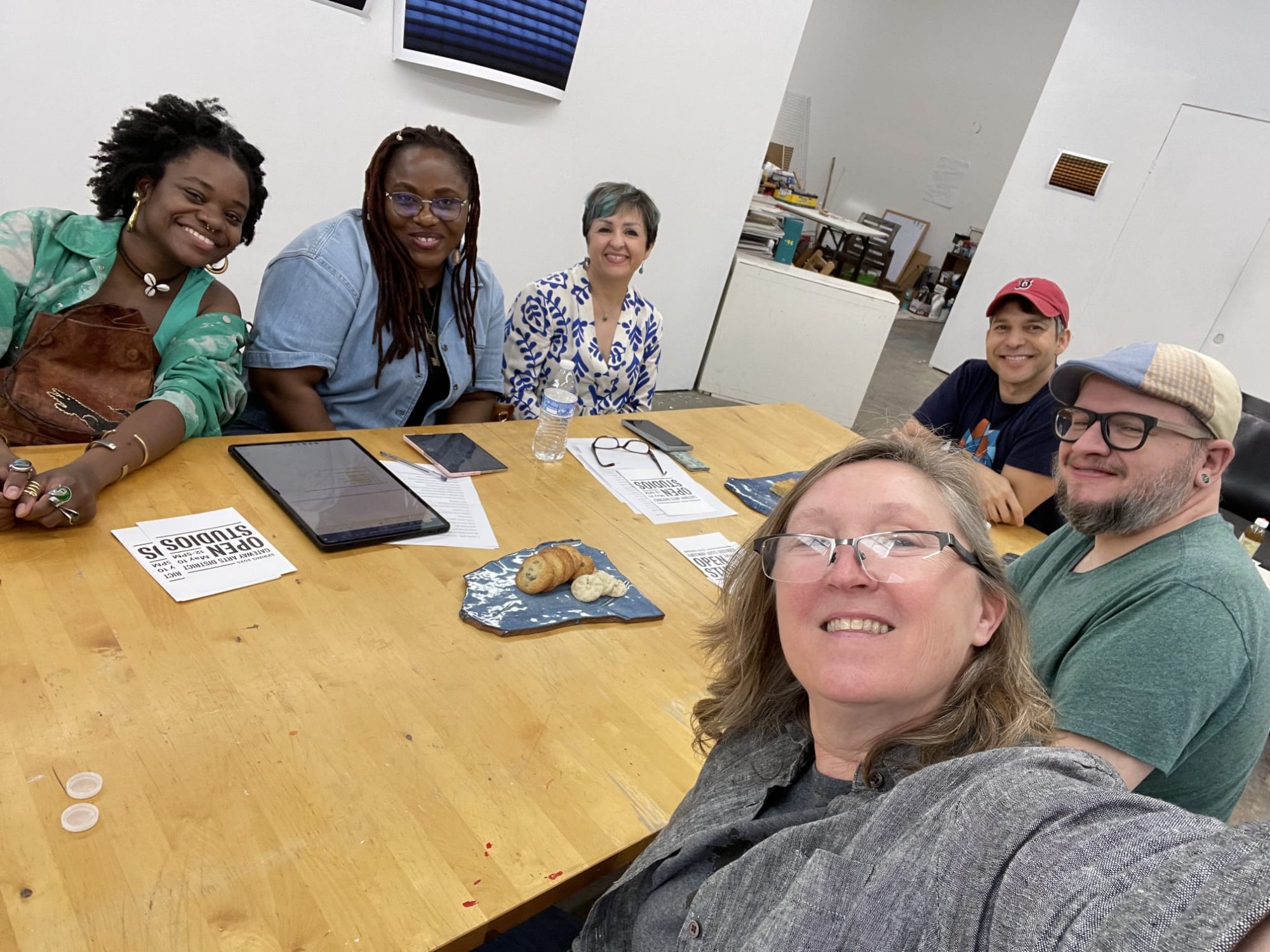
Poet, artist, and founder of MuseVerse Circle. Joy-Jayne curated the evening, guided the gathering, and held space for the conversation that followed each poem.
Mina brought the Farsi language alive in the room, reading each poem in its original tongue before the English followed. Her cultural knowledge gave the poems their full weight.
Explore Mina’s workMuseVerse Circle holds deep gratitude for Mina and for every co-host and language expert who has brought their knowledge and presence to these gatherings. They do not simply support this work. They make it possible.
One of the most influential poets in Persian literary history. Farrokhzad broke every convention available to her. Her work gave voice to female interiority, desire, grief, and political consciousness at a time when all four were considered dangerous. She died at 32, leaving behind a body of work that has only grown in power since.
I am cold and I know / that nothing will be left / of all the red dreams of one wild poppy / but a few drops of blood.
// Translated by Sholeh Wolpe · Public domain educational useRead moreMy whole being is a dark chant / which will carry you / perpetuating you / to the dawn of eternal growths and blossoming.
// forughfarrokhzad.org · Public domainRead moreKnown as the Lioness of Iran. Behbahani was one of the most celebrated poets of the twentieth century. She revived the classical ghazal form, infusing it with contemporary urgency and social protest. Nominated for the Nobel Prize multiple times.
My country, I will build you again, / if need be, with bricks made from my life. / I will build columns to support your roof, / if need be, with my bones.
// Translated by Farzaneh Milani and Kaveh Safa · Public domain educational useRead moreA poet of deep spiritual conviction and political courage. Her poetry honors the resilience of Iranian women across generations, returning again and again to images of planting, building, and enduring.
Women of my land, / with chadors woven from night and patience, / they stitched silence into strength.
// Compiled by Joy-Jayne Bassey for MuseVerse Circle · March 2025Read moreAll poems featured in MuseVerse Circle gatherings are sourced from the public domain, authorized educational translations, or used with the express permission of the poet or their estate.
The threads that ran through every poem.
Each poet received a tradition of resistance and added to it. The courage of Farrokhzad made Behbahani possible. The line is unbroken.
All three poets wrote about silence, not as absence but as presence. Silence carved into bones. Silence stitched into strength.
The poems return again and again to the body as the site where history is stored, where memory lives, and where the future is made.
What stayed with those who listened.
I heard my mother’s silence inside Behbahani’s lines.
Attendee reflection · March 29, 2025Farrokhzad’s words may be history but they are still relevant today.
Attendee reflection · March 29, 2025I left feeling more curious than certain. And I think that is the point.
Attendee reflection · March 29, 2025There is something about hearing Farsi spoken aloud in a room full of people who chose to listen. Something shifts.
Attendee reflection · March 29, 2025Those who made this possible.
Every poem that enters this room has traveled a long road to get here. It passed through the hands of translators who gave years of their lives to carrying meaning across languages without losing the soul of what was said. Through archivists who preserved what time and politics tried to erase. Through scholars and historians who gave context to what might otherwise arrive without roots.
MuseVerse Circle stands on all of that work. We are grateful to every person who has ever built a bridge between a poem and a reader who needed it.
This gathering is dedicated to the translators, the archivists, the educators, the historians, the curators, and the poets themselves. The people who keep language alive so the rest of us can find our way home in it.
The reading guide for this gathering.
Poet portraits, historical context, thematic threads, discussion prompts, and Joy-Jayne’s curatorial notes. Freely available to all.
Read the guide