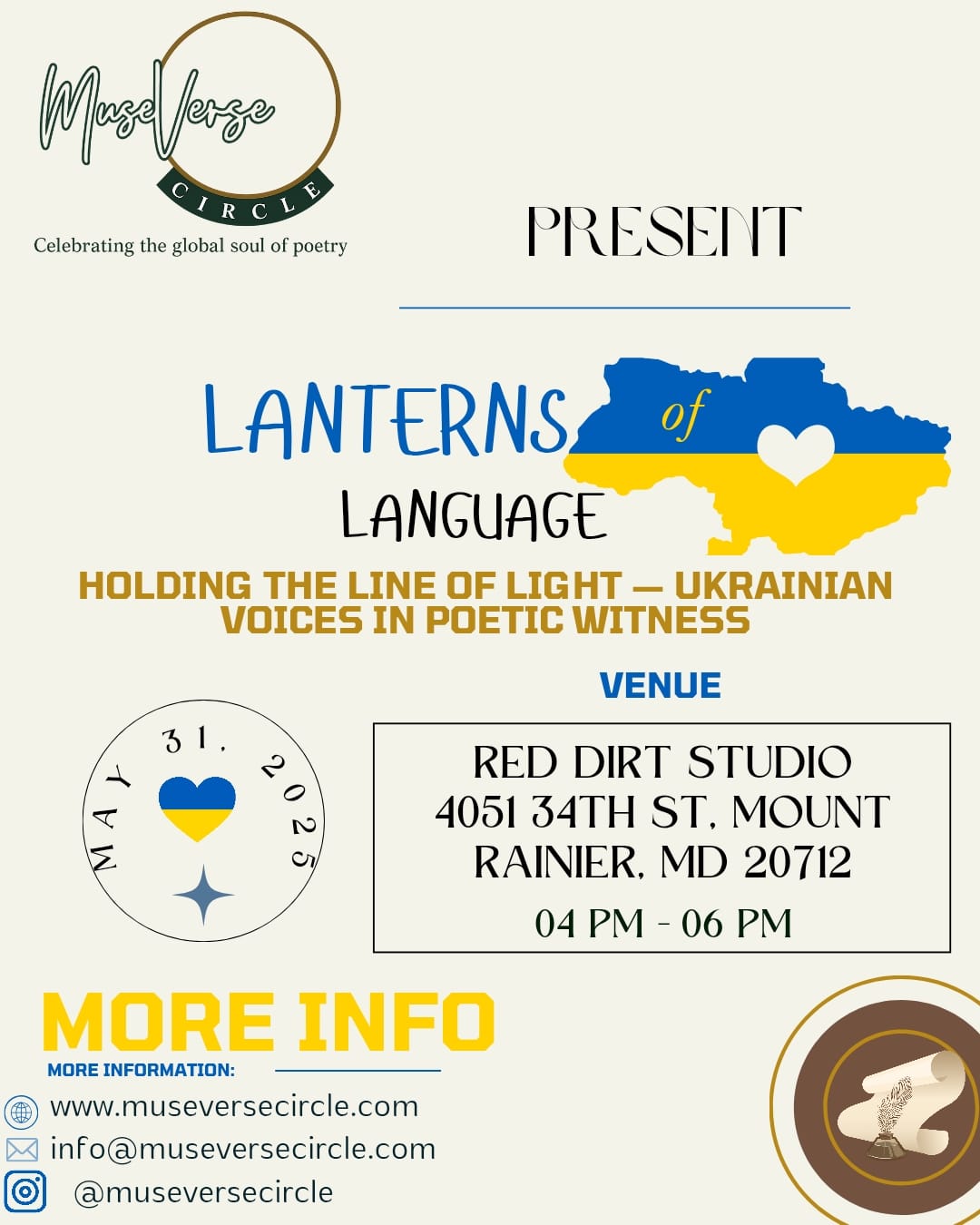
Lanterns of Language:
Ukrainian Voices
in Poetic Witness
Six poets. Two centuries. One unbroken conviction.
In times of conflict, poetry carries what history alone cannot.
Ukrainian poetry has always existed in tension with power. It has been censored, burned, translated without permission, and claimed by states that sought to erase the culture that made it. And it has survived. That survival is not incidental. It is the subject of the poetry itself.
Taras Shevchenko wrote in Ukrainian at a time when the Russian Empire had banned its use in print. His act of writing was itself an act of resistance, and the poems that resulted became the seed of a national literary identity that survived two centuries of suppression. Vasyl Stus spent years in Soviet labor camps and died in Perm-36 in 1985, the same year he was nominated for the Nobel Prize in Literature. His poetry refuses to be diminished by the forces that tried to silence it.
The younger poets in this gathering, Iya Kiva, Lyuba Yakimchuk, and Serhiy Zhadan, write from within an ongoing war. Zhadan remained in Kharkiv after the full-scale Russian invasion in 2022, writing and organizing humanitarian aid while his city was being shelled. Yakimchuk, born in the Luhansk region, was displaced in 2014. Her collection Apricots of Donbas records the destruction of her hometown through language that breaks apart the way the landscape did.
This gathering was also dedicated to Mental Health Awareness Month. These poems acknowledge the enormous human weight of carrying a history of suppression and ongoing war. They offer not comfort but company. Not resolution but presence. A poem cannot stop a war. But it can show you that you are not alone inside one.
A poem is a lantern. It cannot stop the dark. But it can show you that you are not alone inside it.
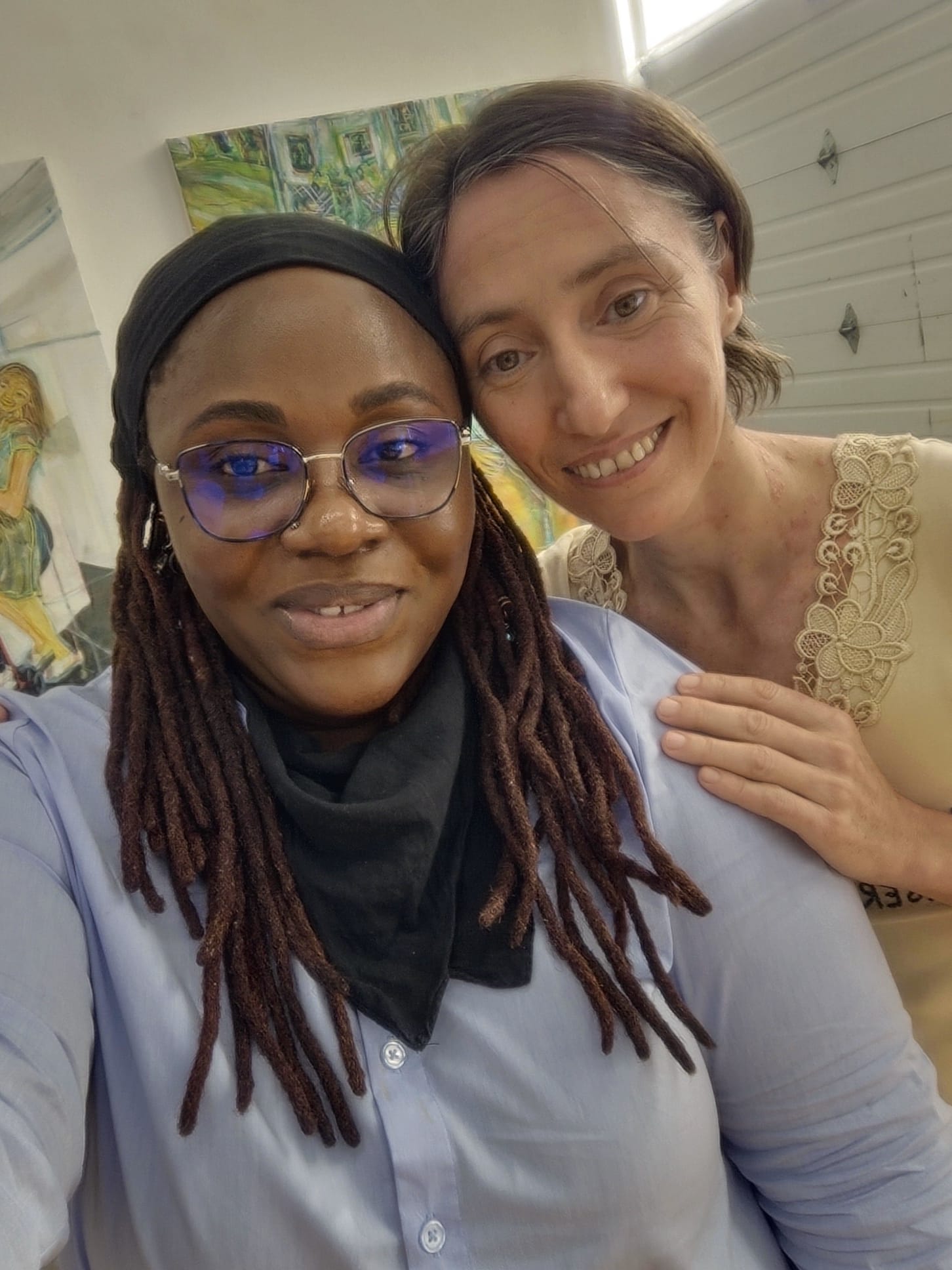
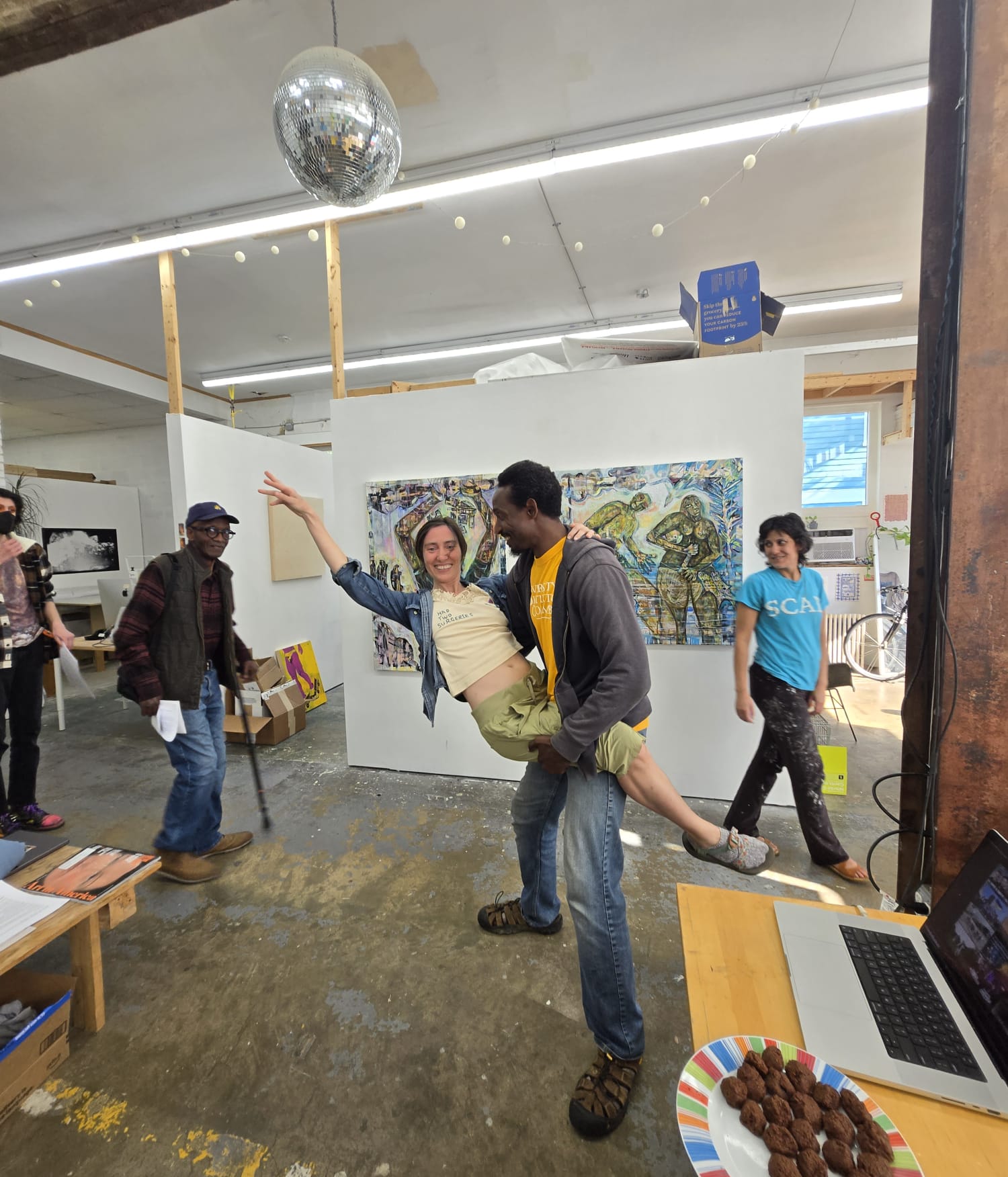
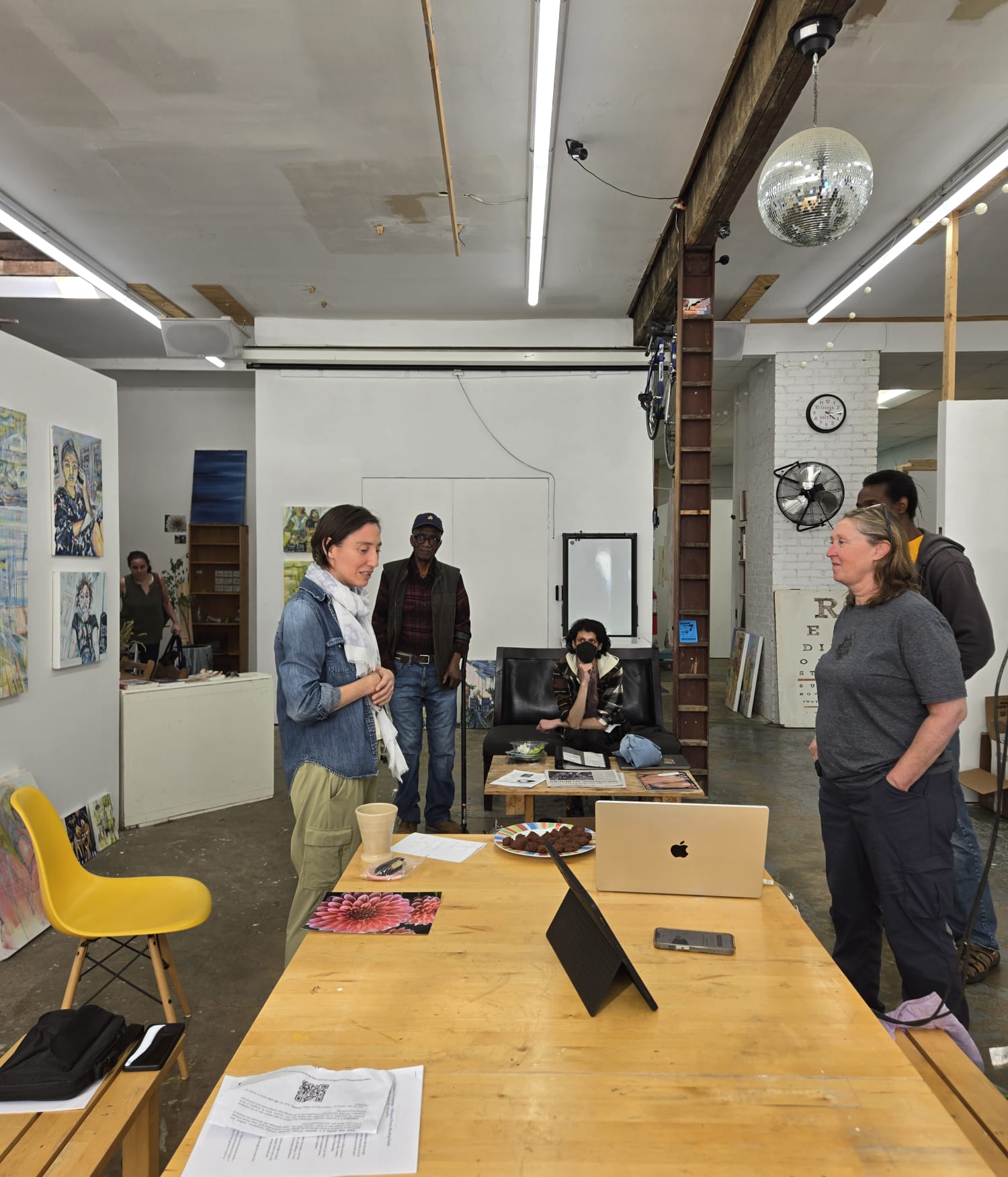
The founder of MuseVerse Circle curated this gathering with the conviction that poetry is the archive that survives when official records fail.
Dr. Naidenko brought essential scholarly and personal context. Her expertise in Ukrainian cultural and literary history provided the foundation on which each poem was introduced.
MuseVerse Circle holds deep gratitude for Dr. Naidenko and for every consultant and language expert who brings their knowledge to these gatherings.
The father of modern Ukrainian literature. Shevchenko wrote in Ukrainian at a time when the Russian Empire had banned its use in print. His poetry became the seed of a national literary identity that survived two centuries of suppression.
When I die, then make my grave / High on an ancient mound, / In my own beloved Ukraine, / In steppeland without bound.
// Translated by John Weir · Public domainRead moreStus spent years in Soviet labor camps and died in Perm-36. He was nominated for the Nobel Prize in Literature in 1985, the year he died. His poetry refuses to be diminished by the forces that tried to silence it.
How good it is that I am not afraid of death / and do not ask her when she will come to me.
// Translated by Virlana Tkacz and Wanda Phipps · Used with educational permissionRead moreA leading voice of the Ukrainian literary generation of the 1980s. She writes with lyric precision about love, time, memory, and the costs of history.
We will not die in Paris / although that would be beautiful and sweet.
// Compiled by Joy-Jayne Bassey for MuseVerse Circle · May 2025Read moreKiva was born in Donetsk and displaced by the war in 2014. She writes from within the experience of loss and displacement without sentimentality or resolution.
I carry it daily in my chest / like a stone that knows the shape of the hand that threw it.
// Compiled by Joy-Jayne Bassey for MuseVerse Circle · May 2025Read moreYakimchuk grew up in the Luhansk region and was displaced by the 2014 conflict. Her collection Apricots of Donbas records the destruction of her hometown through linguistically inventive poems.
The word “arm” is split: / “ar” is a unit of land / and “m” is left alone / with nothing to hold.
// Translated by Oksana Lutsyshyna · Used with educational permissionRead moreOne of the most prominent Ukrainian writers of his generation. Zhadan remained in Kharkiv after the full-scale Russian invasion in 2022, writing and organizing humanitarian aid while his city was being shelled.
For the ones who are still here. / For their names, which we have not yet forgotten.
// Compiled by Joy-Jayne Bassey for MuseVerse Circle · May 2025Read moreAll poems featured in MuseVerse Circle gatherings are sourced from the public domain, authorized educational translations, or used with the express permission of the poet or their estate.
The threads that ran through every poem.
From Shevchenko writing in banned Ukrainian to Yakimchuk fragmenting words as an act of witness, every poet used language itself as the site of resistance.
Ukrainian poetry has always had to hold these two things together. The witness to what is happening. The grief of what has been lost.
These poems acknowledge the enormous human weight of carrying a history of suppression and ongoing war. They offer not comfort but company. Not resolution but presence.
What stayed with those who listened.
I arrived not knowing what to expect. I left knowing something I cannot name yet.
Attendee reflection · May 31, 2025The poems carried the weight of the news without needing to explain it.
Attendee reflection · May 31, 2025Hearing Ukrainian spoken in a room in Maryland felt like an act of preservation.
Attendee reflection · May 31, 2025Stus wrote those words in a labor camp. And they arrived here. That is extraordinary.
Attendee reflection · May 31, 2025Those who made this possible.
Every poem that enters this room has traveled a long road to get here. It passed through the hands of translators who gave years of their lives to carrying meaning across languages without losing the soul of what was said. Through archivists who preserved what time and politics tried to erase. Through scholars and historians who gave context to what might otherwise arrive without roots.
MuseVerse Circle stands on all of that work. We are grateful to every person who has ever built a bridge between a poem and a reader who needed it.
This gathering is dedicated to the translators, the archivists, the educators, the historians, the curators, and the poets themselves. The people who keep language alive so the rest of us can find our way home in it.
The reading guide for this gathering.
Poet portraits, historical context, thematic threads, discussion prompts, and Joy-Jayne’s curatorial notes. Freely available to all.
Read the guide